

So, your client has a cracked brick wall…
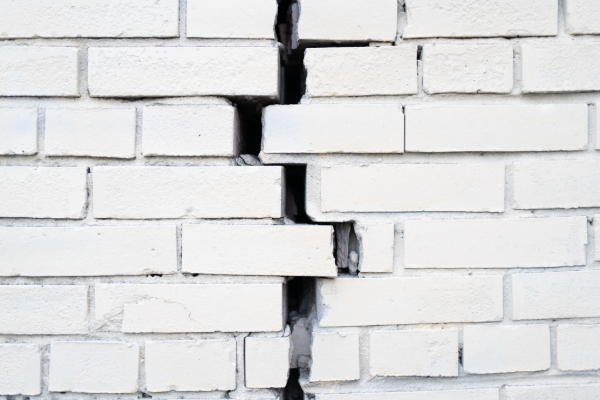
Don’t worry – we will walk you through the best process for fixing a crack in your client’s brick building.
When assessing brick foundations, it’s crucial to recognize that while they offer both durability and aesthetic appeal, cracks in brick walls should not be overlooked as cosmetic issues and ignored.
Structural experts will agree, cracks in brick walls or foundations are often a sign of underlying structural problems that require immediate attention and repair. The good news is – Intech has just the right product for your project.
HOW TO ADDRESS CRACKS IN BRICK BUILDINGS
First and foremost – you’ll need to assess the type, length and width of the crack in the brick. If your bricks are connected to your structure’s foundation – you may need a stronger solution.
Next – decide which crack repair solution is best for your structure.
Finally – connect with your product specialist at Intech for a seamless installation.
Diagonal “Stair-Step” Cracks: These cracks, often found running along the mortar joints, typically indicate that the foundation is settling unevenly. Such cracks should be carefully monitored to assess the extent of settlement.
Crumbling Mortar: When the mortar between bricks begins to degrade and crumble, it’s a strong indication of foundation movement, possibly due to soil pressure changes beneath the foundation.
Chimney Separation: If there’s noticeable separation between the chimney and the rest of the structure, it is a critical sign of foundation instability. The chimney may have experienced differential settlement that requires immediate stabilization.
Long term
Cracked brick repair solutions
- HELICAL PIERS
- HELICAL ANCHORS

Permanent solutions for brick foundations
Rely on our robust and effective solutions for stabilizing brick foundations that will stand the test of time. Our repair techniques include:
Helical Piers: These are ideal for foundations that are sinking into soft or unstable soils. By transferring the building’s load to deeper, more stable soil layers, helical piers can reverse the settlement and restore structural integrity.
Helical Anchors: For situations where minimal excavation is desired, helical anchors provide an effective solution. These anchors are installed by “threading” them into the soil beneath the foundation, offering significant support without major disruption.
By using these advanced foundation repair systems, you can effectively stabilize and secure the foundation, halting further damage and restoring the building’s integrity.
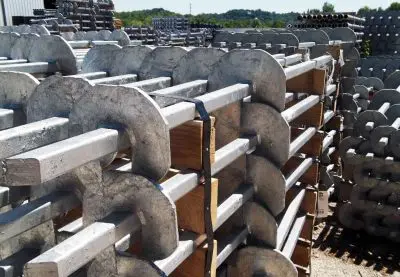
Using helical anchors
You can use helical anchors to stabilize cracked brick foundations by installing them into the ground beneath the foundation. These anchors transfer weight to stable soil layers, providing support and preventing further shifting or cracking.
The helical design allows for quick installation with minimal disruption, ensuring long-term stability for your foundation.
Your trusted partners in anchoring
When cracks appear in a brick foundation, it’s essential to address the underlying structural issues rather than simply patching over the symptoms. Our team of professionals specializes in permanent brick foundation repair products that not only fix the cracks but also prevent future failure.
If you’re dealing with cracks in your clients’ brick foundation, contact us for an introductory consultation and to discuss how we can help restore stability and value to your structure.