
Foundation Underpinning & Piering: Helical Piers & Resistance Piers
A settling foundation is only fixable when the structural load gets transferred off the failing soil and onto something that won’t move, and the two product families that do that work most reliably are helical piers and resistance piers. Intech Anchoring Systems supplies both systems for foundation underpinning and piering applications, with the brackets, equipment, and engineering support foundation repair contractors need to deliver predictable lifts and lasting stabilization.
Call Intech Anchoring Systems at (888) 458-8904 today to discuss your foundation underpinning and piering project.
Matching the Right Pier System to the Foundation Problem
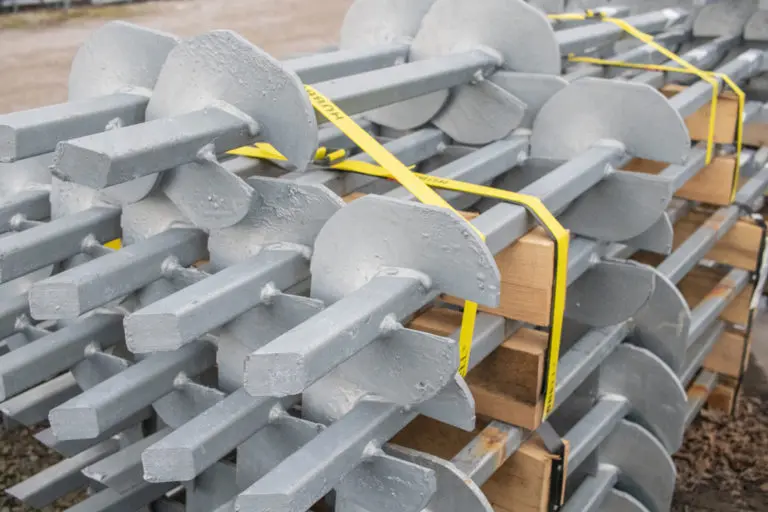
Underpinning failures usually trace back to a system mismatch: a helical pier specified for a job better suited to a resistance pier, or a resistance pier pushed into soil that needed end-bearing capacity from helical flights instead. The two systems work on fundamentally different principles. Helical piers screw into the ground with helical bearing plates that develop capacity through end bearing on the helices, and torque correlation gives real-time feedback on capacity as the pier advances.
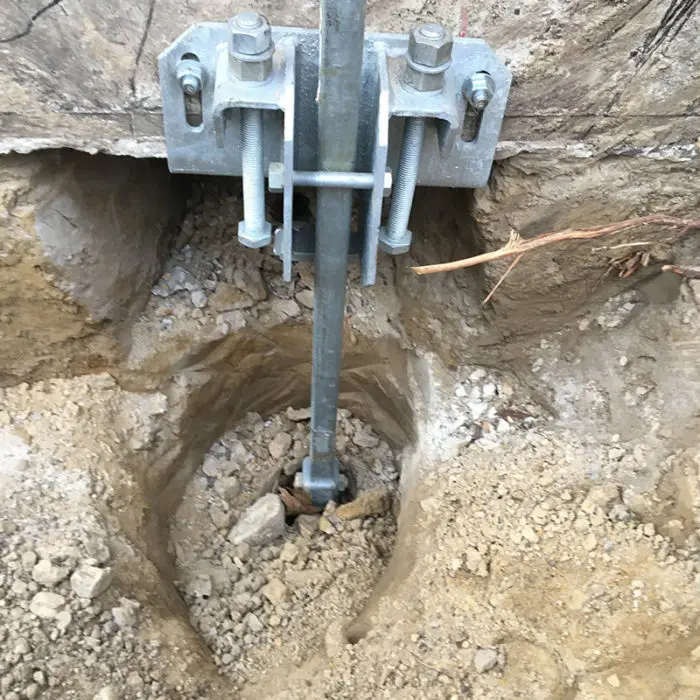
Both systems get installed under existing footings using brackets that transfer the structural load to the pier shaft. The right specification depends on soil profile, structural loads, depth to competent bearing, access constraints, and project budget.
Settlement Indicators That Often Lead to Underpinning
Foundation movement shows up in predictable patterns that contractors learn to read during inspections. The list below covers the failure indicators that frequently send a project to a pier system specification.
- Stair-step cracks in masonry or block walls: Diagonal cracking patterns in mortar joints that signal differential settlement under one section of the foundation.
- Doors and windows that stick or won’t latch: Frame distortion caused by foundation movement that shifts openings out of square.
- Floors that slope or feel uneven: Measurable elevation changes across rooms indicating the foundation is no longer holding the original level it was poured to.
- Gaps between walls and ceilings or floors: Separation at the junction of structural elements as one section settles and the other holds position.
- Cracks in poured concrete foundation walls: Vertical and diagonal cracks that often pair with settlement, sometimes warranting both pier work and crack injection repair.
- Gaps or separation around chimneys or porches: External structural elements pulling away from the main house as their footings settle independently.
- Bowed or leaning foundation walls: Lateral movement that may need wall anchor support in addition to vertical underpinning.
- Soil voids or erosion near the foundation: Visible signs of soil loss under or beside the foundation, indicating support has been compromised.
Helical Piers and Resistance Piers From Intech
Intech stocks both pier families with the brackets and accessories that complete the underpinning system. The links below lead to detailed product information for each.
- Helical underpinning piers: Steel shafts with welded helical bearing plates rotated into the ground, ideal for deeper soils where bedrock isn’t reachable and where torque-based capacity verification is preferred.
- Resistance piers: Hydraulically driven steel pipe sections that advance to bedrock or refusal, with capacity verified through hydraulic pressure readings during installation.
- Helical piles parent line: Full helical product family covering underpinning configurations alongside other deep foundation applications.
- Underpinning solutions overview: Broader category page covering the full range of pier types, brackets, and underpinning accessories Intech supplies.
Helical Pier Installation
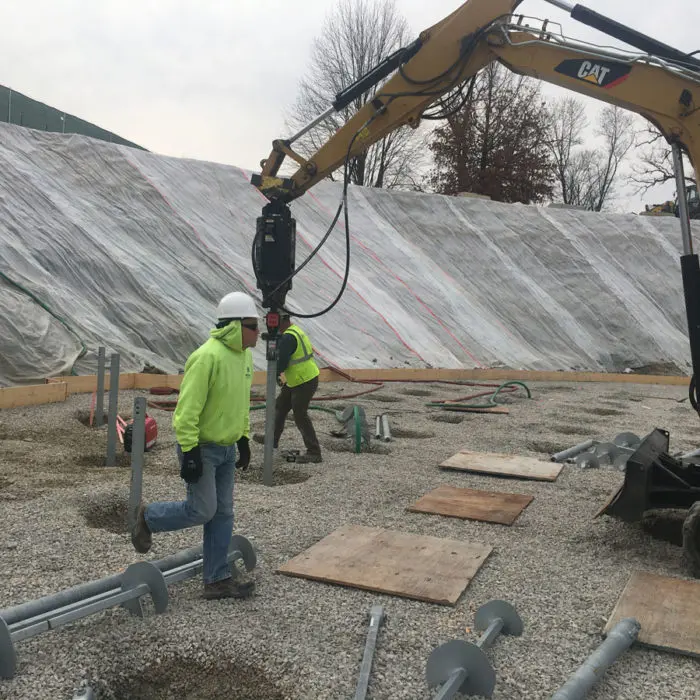
Upon receipt of the plan of repair from a qualified design group or individual, the certified installer proceeds with the repair. One of the best investments you can make is to get a soil boring on your property. This will enable the designer to determine what type of anchor and to what depth it must go to reach stable soil.
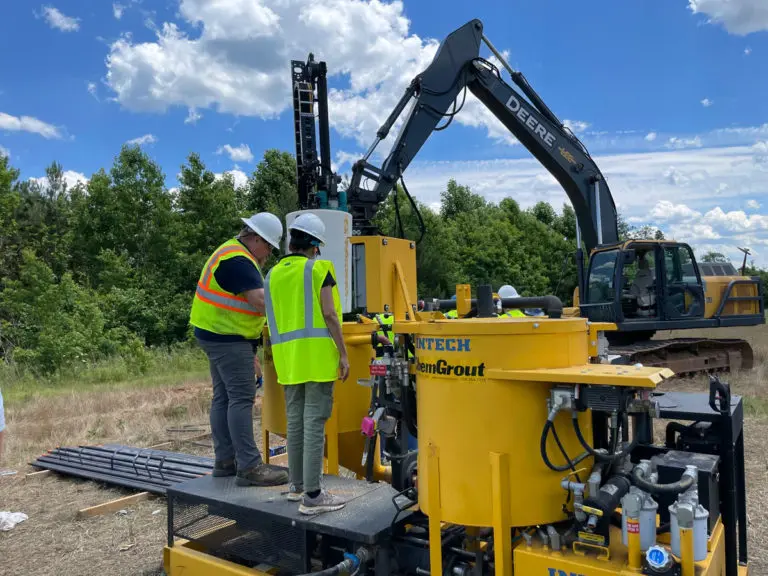
The installer will usually excavate a hole at each anchor location wide and deep enough to place a bracket under the foundation. A rotary installing machine installs the leading section of the anchor with the proper number and size of helices. At the point in which the bracket is attached, the load is transferred to the anchor, stabilizing the building and allowing for lift, as according to the plan of repair.
Frequently Asked Questions About Foundation Underpinning
How do helical piers and resistance piers compare for foundation underpinning?
Helical piers tend to work better when bedrock is too deep to reach economically, when soil profiles favor end-bearing on engineered helices, or when the structure can’t accept the reactive loads that hydraulic ram-driven resistance piers apply during installation.
Can underpinning piers actually lift a settled foundation back to level?
Often yes, depending on the structure and how much settlement has occurred. Once the piers are installed and the brackets are attached, hydraulic jacks at each bracket location can transfer load to the piers and lift the foundation incrementally toward its original elevation.
What installation depth should I plan for on an underpinning project?
Depth varies widely based on soil conditions and the depth to competent bearing. Helical piers commonly run 15 to 30 feet, sometimes deeper in marginal soils.
Do underpinning projects require a soil boring before installation?
A soil boring is the best practice on any significant underpinning project. Knowing what’s actually below the footing lets the engineer specify the right pier type and depth.
What support does Intech offer contractors expanding into underpinning work?
We support contractors moving into the underpinning trade with installer certification programs and field training covering bracket installation, torque correlation, hydraulic verification, and load transfer best practices.
Why Foundation Repair Contractors Stock Pier Systems From Intech
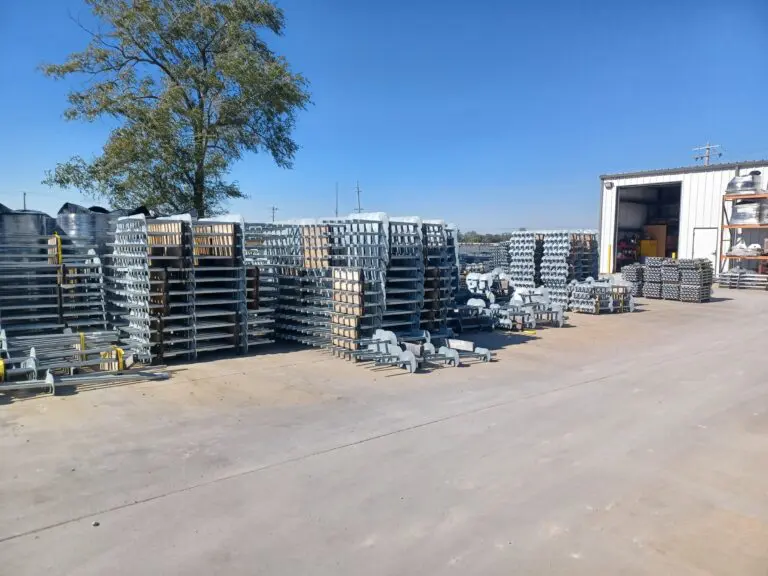
Inventory depth across both pier families is the practical advantage contractors notice first. Our shelves carry helical lead sections in the standard shaft sizes, helix configurations from single to triple flights, resistance pier pipe sections, brackets sized to most existing footing widths, and the brackets and accessories that complete the underpinning system. Lead times stay short on standard configurations, and our team works directly with engineers when a project needs a non-stock specification.
Foundation work has been part of our business since 1998, and we’ve built relationships across the foundation repair contractor community that go beyond a transaction. When a project sits on the boundary between pier types, when a bracket detail needs adjustment for an unusual footing, or when a crew is hitting unexpected resistance partway down, the kind of phone call that solves the problem fast is exactly what our technical staff is set up to handle.
Contact Us About Your Foundation Underpinning Project Today
A failed underpinning specification gets discovered the hard way, but a correctly matched pier system delivers the predictable lift and long-term stabilization that foundation repair clients are paying for. Intech Anchoring Systems gives foundation repair contractors a single source for helical piers, resistance piers, brackets, installation equipment, and the technical input that turns marginal projects into successful ones, all backed by nearly three decades of experience in the deep foundation business.
Call Intech Anchoring Systems at (888) 458-8904 today to discuss your foundation underpinning and piering project.