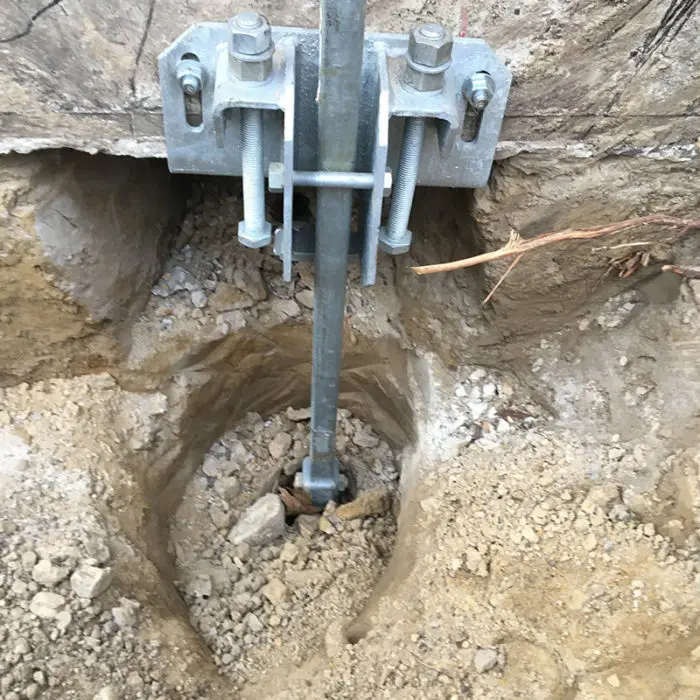

Force Arrester Wall Bracing for Basement Wall Stabilization
The Force Arrester™ Wall Brace System
The Force Arrester™ Wall Brace System is engineered to reinforce residential foundation walls that are being pushed inward by lateral soil pressure. Shifting moisture levels, frost activity, and expanding soils can place continuous stress on a wall, often leading to cracking, bowing, shearing, or visible movement over time. This brace system is designed to resist those forces and help stabilize both load-bearing and non-load-bearing foundation walls before conditions worsen.
Call Intech Anchoring Systems at (888) 458-8904 to request Force Arrester wall bracing and straightforward pricing.
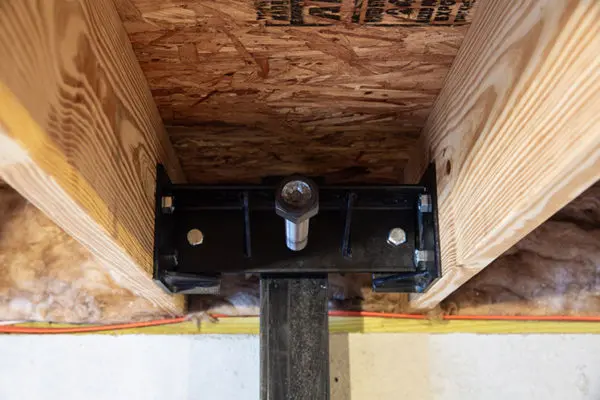
Perpendicular & Parallel Wall Bracing Options for Load-Bearing and Non-Load-Bearing Walls
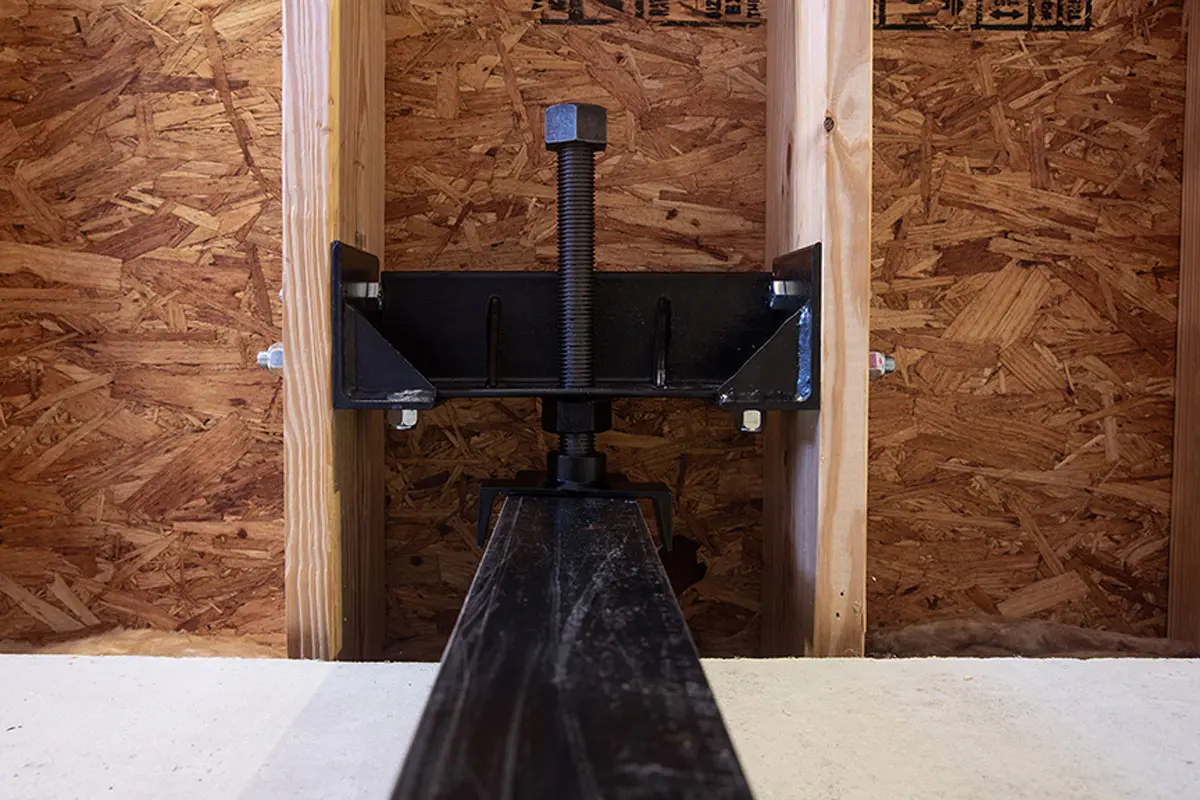
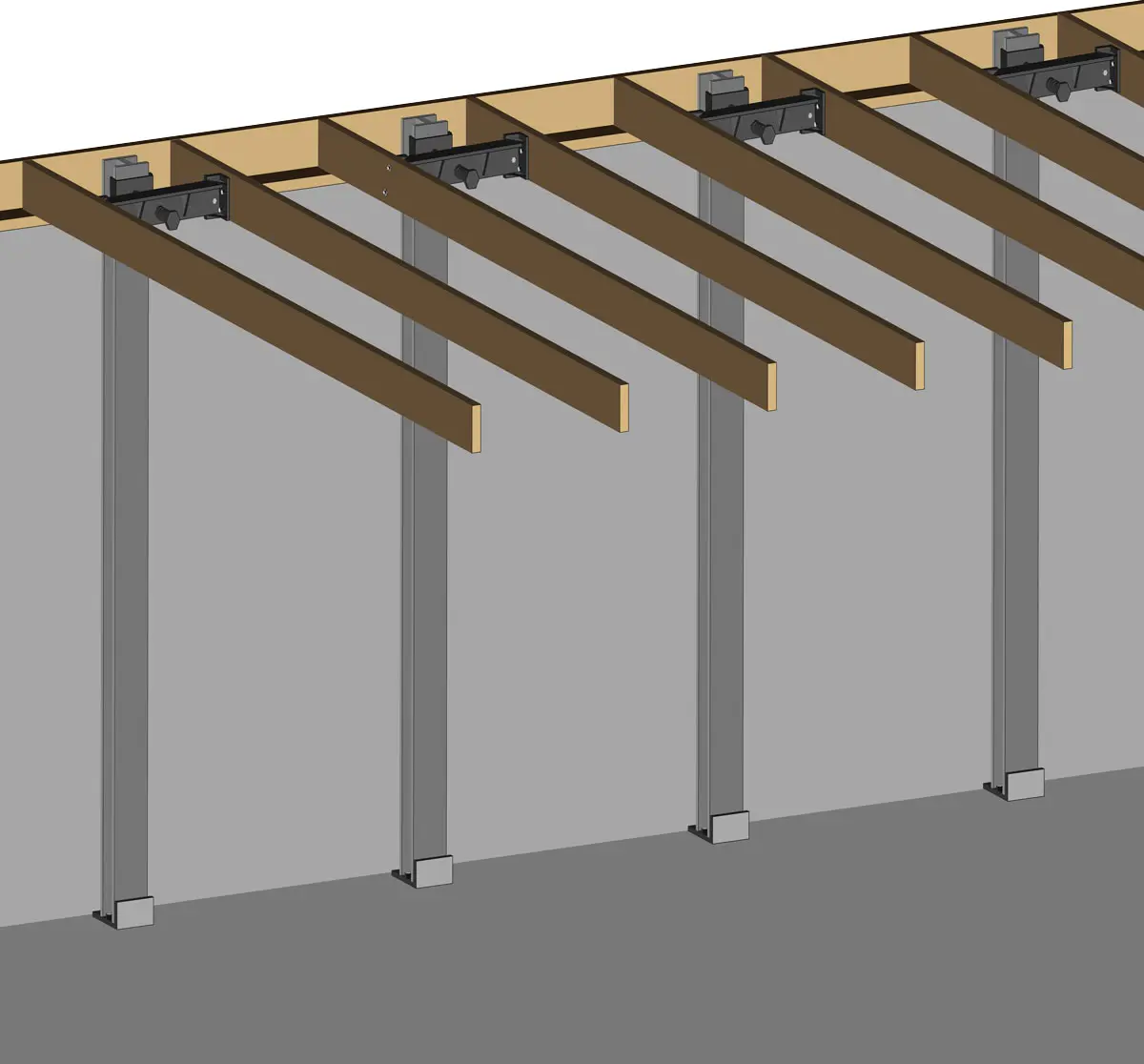
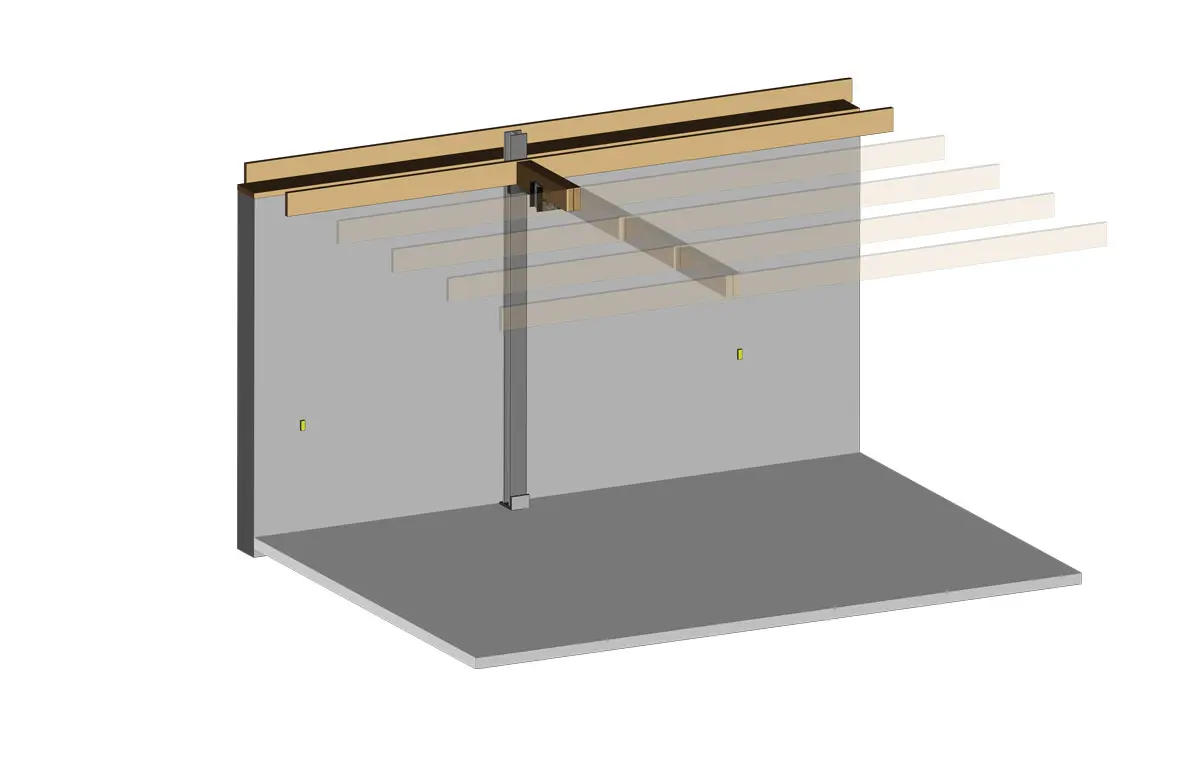
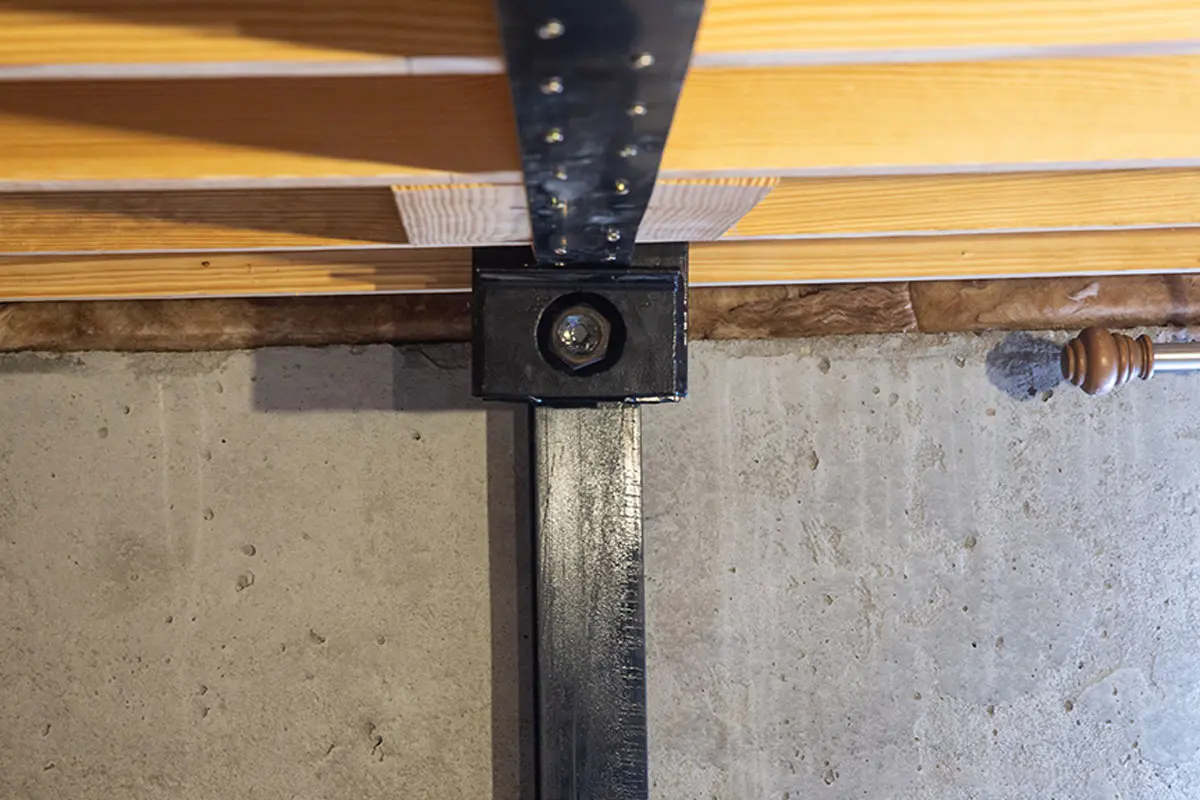
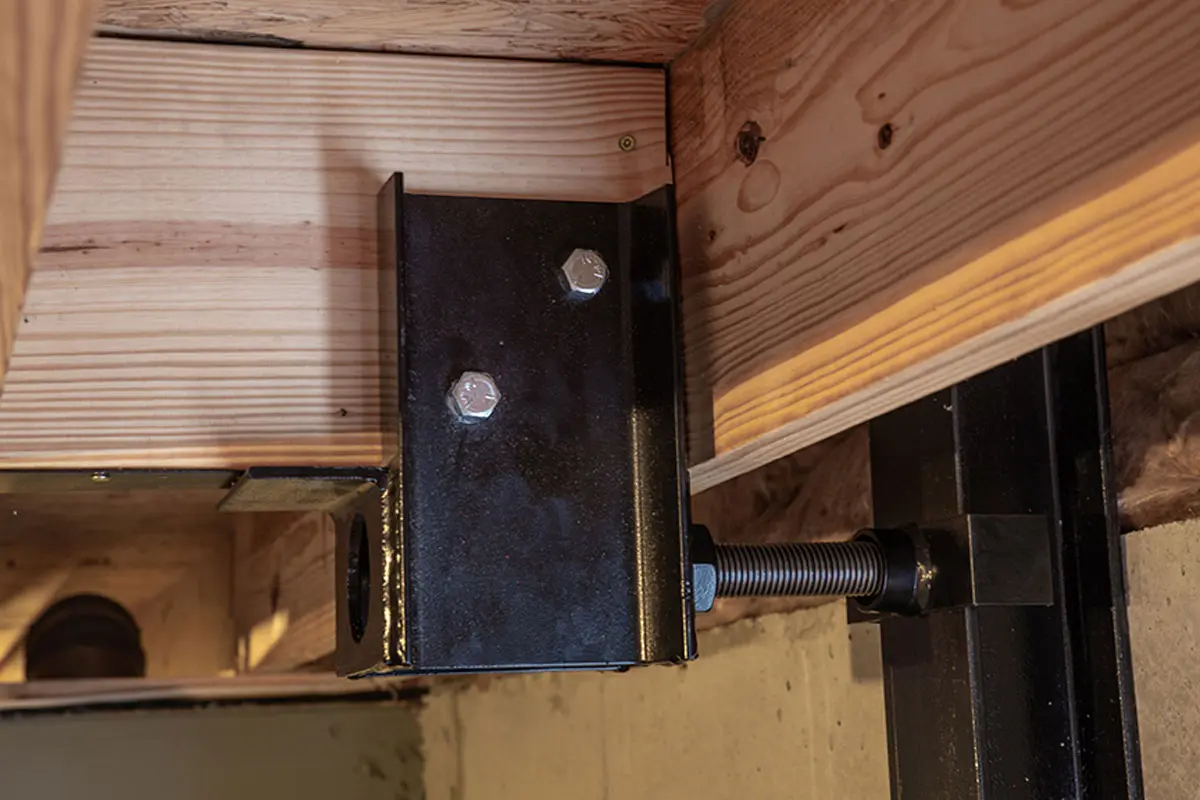
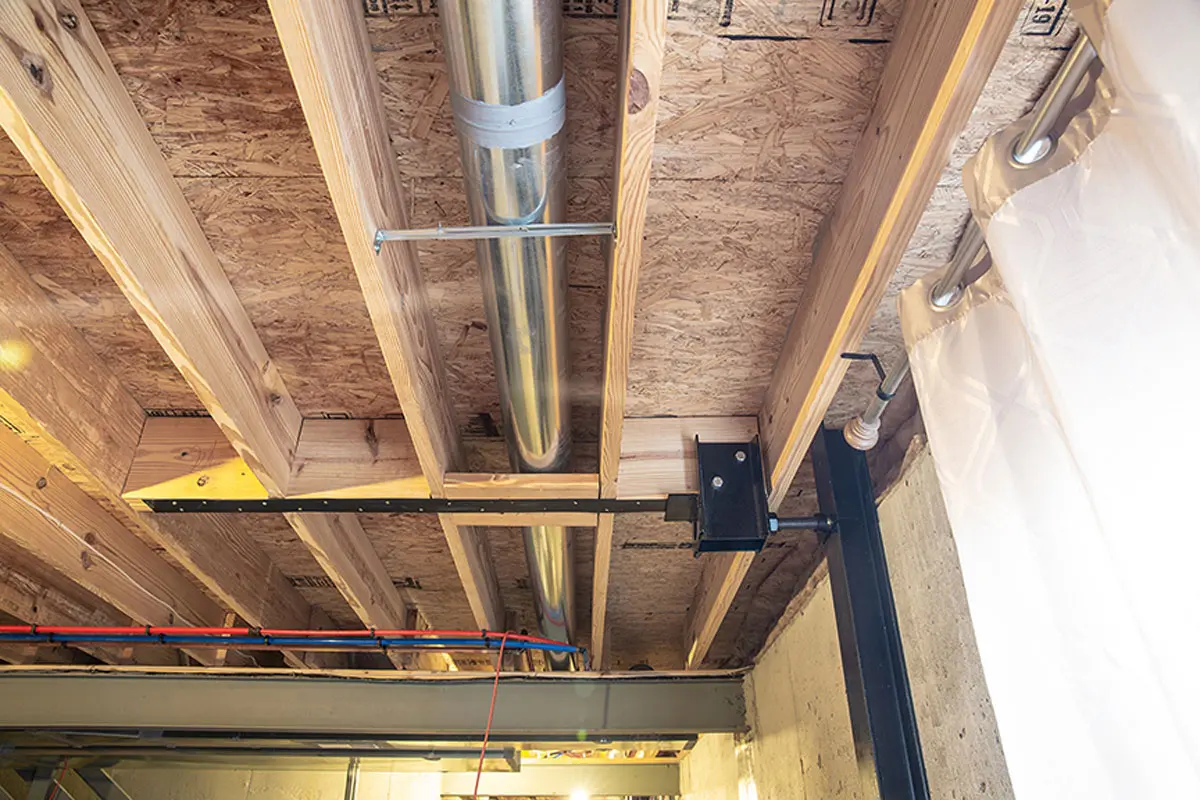
The Force Arrester™ Wall Brace System includes two configuration options so contractors can match the bracing layout to the wall’s role in the structure. A perpendicular setup is typically used when bracing a load-bearing wall, while a parallel setup is commonly used for non-load-bearing walls. For consistent strength and performance, the system is often paired with an S4x7.7 I-beam, and the bracket assemblies tie into both the basement slab and the floor joist system for secure, tight engagement.
A key advantage of this system is its patented design that supports incremental tightening over time. That staged adjustment approach can help improve wall alignment as conditions allow, while keeping the installation interior-based and avoiding the disruption that often comes with exterior excavation or invasive drilling. The result is a stabilization and reinforcement method that fits real basements, tight sites, and projects where minimizing disturbance matters.
- Engineered and load tested to handle real-world soil pressure and seasonal foundation movement
- Spreads lateral earth loads across the wall line for more even, consistent reinforcement
- Installs from the interior, helping avoid weather slowdowns and protecting yards, patios, and landscaping
- Clean, low-disruption setup with no excavation, no digging, and no need for heavy machinery
- No core drilling or concrete demolition required for installation
Wall Bracing Installation Process for Contractors
A successful wall brace project depends on correct spacing, solid contact with the wall, and secure top and bottom connections. Intech Anchoring Systems supports a straightforward bracing process that keeps planning clear and installation consistent.
- Wall condition review: Identify bowing location, crack patterns, and the extent of inward movement.
- Brace layout planning: Determine brace spacing and positions based on wall length, movement areas, and access constraints.
- Top connection preparation: Plan framing attachment points and add blocking or reinforcement where needed for a secure connection.
- Bottom footing setup: Establish the base connection at the slab or floor system to support stable load transfer.
- Brace placement and alignment: Set braces plumb, maintain consistent wall contact, and confirm proper positioning.
- Final securement and verification: Tighten hardware, confirm stability, and document the completed layout with straightforward pricing kept clear from the start.
Supporting Steps for Force Arrester Wall Stabilization
Force Arrester wall bracing is most effective when the supporting steps are handled carefully, from measuring wall movement to preparing attachment points. Intech Anchoring Systems supports the components and job planning that contractors typically coordinate for wall brace projects.
- Deflection measurement and mapping: Identify the worst movement zones and document wall conditions before installation.
- Brace height selection: Match brace length to basement height and installation requirements for consistent fit.
- Spacing and placement coordination: Plan brace locations to distribute reinforcement along the wall line.
- Floor joist blocking and reinforcement: Prepare secure attachment points at the top connection location.
- Slab anchoring preparation: Confirm bottom connection positioning and install required anchors or base hardware.
- Wall contact planning: Maintain consistent brace to wall contact to support even reinforcement.
- Obstruction avoidance planning: Work around utilities, windows, shelving, and mechanical equipment during placement.
- Moisture condition review: Identify water entry or drainage issues that contribute to ongoing pressure on the wall.
- Finish planning coordination: Account for future framing or basement finishing needs so braces remain accessible.
- Follow-up adjustment planning: Prepare for staged tightening when gradual wall improvement is part of the project goal.
Force Arrester Wall Bracing FAQs for Contractors
What types of walls can a wall brace system stabilize?
Wall bracing commonly stabilizes basement foundation walls that bow inward due to exterior pressure. Site conditions and wall material determine the best approach, so a project review helps confirm fit for the specific structure.
Does Force Arrester wall bracing require exterior excavation?
Many wall bracing projects do not require outside digging because the reinforcement installs from the interior. This can be helpful when exterior access is limited by hardscape, landscaping, or tight setbacks.
Can wall bracing straighten a bowed basement wall?
Wall bracing primarily stabilizes the wall and helps prevent further inward movement. In some cases, a controlled adjustment plan can support gradual improvement, but results depend on wall condition and the amount of movement.
How many wall braces does a basement wall need?
Brace quantity depends on wall length, how much the wall moves, and how pressure concentrates along the wall. A layout plan typically focuses on brace spacing that provides even reinforcement across the affected section.
Will wall braces interfere with finishing a basement?
Braces can affect how you frame or finish the wall area, but many projects plan around the braces so the basement remains usable. Keeping braces accessible for inspection and adjustment is often part of a practical finish plan.
Why Contractors Install Our Wall Bracing System
Foundation walls rarely move for just one reason. Rainwater, frost cycles, and sudden heavy precipitation can change soil moisture levels and cause surrounding soils to expand. That expansion creates ongoing inward pressure against the wall, and if the wall cannot resist it, the damage can progress from small cracks to bowing, shearing, and shifting that raises bigger structural concerns.
Intech Anchoring Systems supports contractors with the Force Arrester Wall Brace System because it is built to counter those inward forces with purpose-built structural braces installed directly against the foundation wall. The bracing creates a stronger interior reinforcement line that helps stabilize the wall, limit continued movement, and reduce the risk of further deterioration as soil conditions continue to fluctuate.
Get Force Arrester Wall Brace System Pricing and Availability
The Force Arrester Wall Brace System works for both load-bearing and non-load-bearing foundation walls, giving contractors a consistent interior stabilization option across a wide range of residential conditions. By resisting the ongoing inward pressure that drives bowing and cracking, the system helps reinforce the wall line and support long-term foundation integrity with a solution built for dependable structural stability.
Call Intech Anchoring Systems at (888) 458-8904 today to request Force Arrester wall bracing and straightforward pricing from Intech Anchoring Systems.