
Helical Anti-Buoyancy Anchors for Below-Grade Structures
High groundwater and saturated soils can create uplift forces that try to float buried and below-grade structures out of place. Tanks, vaults, wet wells, stormwater systems, and foundations can shift when buoyancy overcomes the weight of the structure, especially during heavy rain events or seasonal water table changes. Helical anti-buoyancy anchors provide a dependable way to resist uplift by transferring tension load into competent soil through helical bearing plates, helping projects maintain grade, alignment, and long-term stability. Intech Anchoring Systems supplies helical anti-buoyancy anchors for contractors and engineers who need reliable uplift restraint with efficient installation and predictable performance.
Call Intech Anchoring Systems at (888) 458-8904 to request helical anti-buoyancy anchors and straightforward pricing.
Benefits of Helical Anti-Buoyancy Anchors
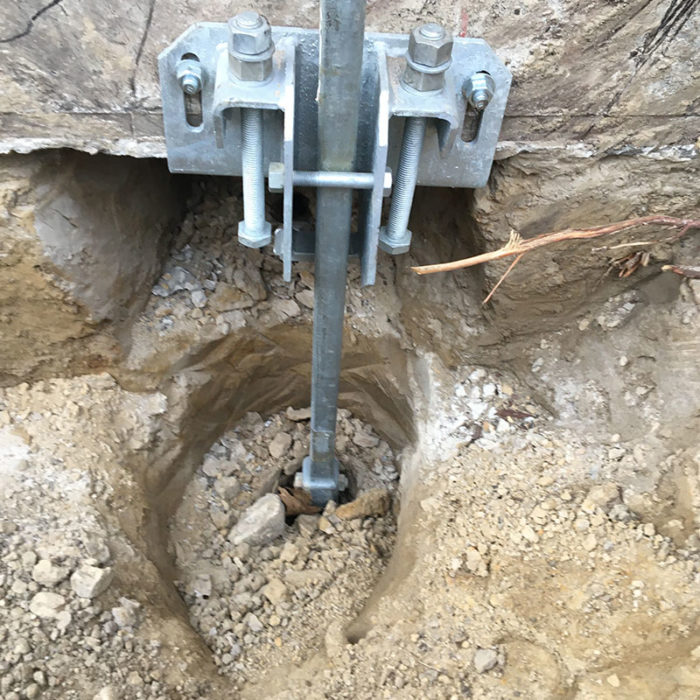
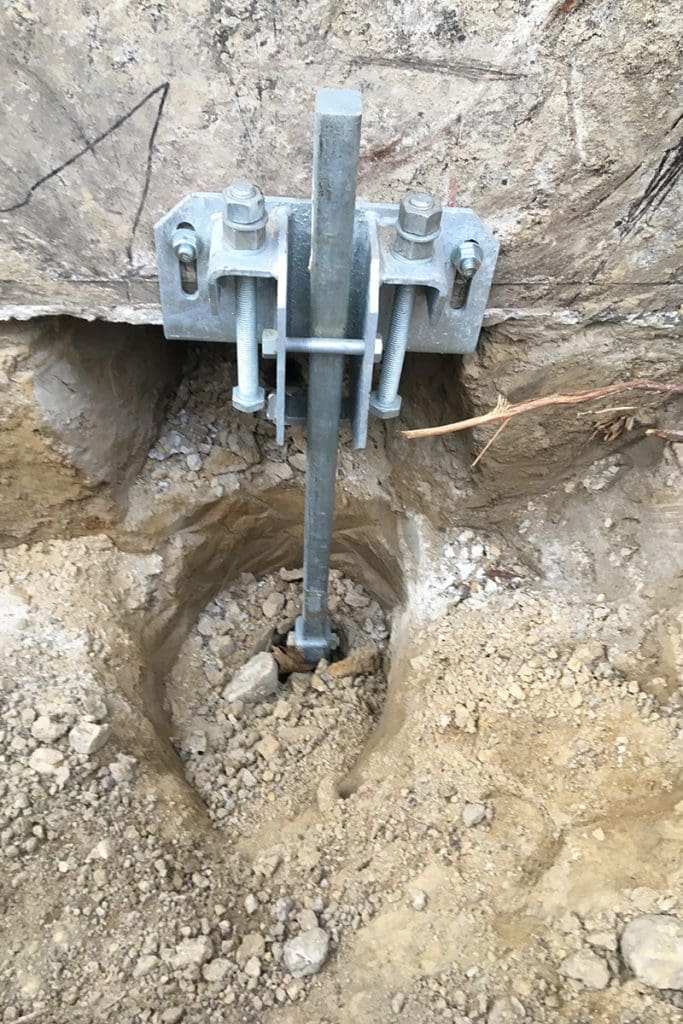
Helical anti-buoyancy anchors deliver reliable hydrostatic uplift resistance by transferring tension loads into competent soil through helical bearing plates. Instead of depending on a structure’s dead weight alone, the system develops capacity from the soil’s strength and the confinement of soil above the helix, creating a dependable uplift restraint solution for below-grade installations exposed to high groundwater and buoyant conditions.
Compared to traditional anti-flotation approaches, helical anchors can reduce or eliminate the need for extensive dewatering, which helps crews avoid added pumping time, water handling, and schedule disruption. Because performance is not solely tied to friction or oversized concrete mass, these anchors offer a practical alternative to large counterweights and deadmen. For contractors working on tanks, vaults, wet wells, stormwater systems, and pipelines in saturated or submerged areas, helical anti-buoyancy anchors can be a more efficient and cost-effective path to buoyancy control with predictable installation and verification.
Helical Anti-Buoyancy Anchor Installation Process
Successful buoyancy restraint depends on matching anchor capacity to uplift demand and installing the system with consistent verification. Intech Anchoring Systems supports a straightforward process that keeps selection and installation aligned with project requirements.
- Uplift demand review: Confirm buoyancy risk, groundwater conditions, and design tension requirements for the structure.
- Anchor configuration selection: Choose shaft type, helix diameter, and helix count to match soil profile and required capacity.
- Layout and access planning: Establish anchor locations, spacing, and installation access based on the structure geometry.
- Helical installation and advancement: Drive anchors to target depth while maintaining alignment and consistent installation control.
- Torque monitoring and verification: Track installation torque as a field indicator of capacity and confirm target values are achieved.
- Connection and restraint setup: Attach anchor heads, brackets, or tie-down hardware to integrate the anchors with the structure.
Straightforward pricing helps keep procurement and planning clear so your team can move from design to installation without unnecessary delays.
Related Tasks for Helical Anti-Buoyancy Anchor Projects
Anti-buoyancy anchoring involves more than installing a helical element. Intech Anchoring Systems supports common tasks and planning steps that help the system perform reliably under uplift conditions.
- Anchor pattern planning: Establish spacing, quantity, and placement to distribute uplift restraint evenly.
- Soil and bearing evaluation: Review soil conditions to support proper helix sizing and depth targets.
- Extension coordination: Add shaft extensions to reach competent bearing strata when shallow soils are weak or variable.
- Installation equipment matching: Select drive heads and tooling that fit access constraints and required torque ranges.
- Anchor head and bracket selection: Choose connection hardware that integrates with the structure and supports tension loading.
- Corrosion protection planning: Specify protective measures when conditions require long-term durability considerations.
- Proof load and verification planning: Coordinate field checks when the project requires documented performance confirmation.
- As-built documentation support: Record depths, torque values, and locations to support closeout and future reference.
- Backfill coordination: Sequence installation and backfill to protect connections and maintain alignment during placement.
- Uplift restraint integration: Tie anchors into straps, beams, or connection points designed to transfer uplift forces safely.
FAQs About Helical Anti-Buoyancy Anchors
What is buoyancy and why does it affect buried structures?
Buoyancy is the upward force created when groundwater surrounds a buried structure, similar to how water lifts an object in a pool. When that upward force exceeds the weight of the structure and backfill, the system can heave, shift, or rise, which can damage connections and disrupt operation.
What types of projects use anti-buoyancy helical anchors?
Common applications include underground storage tanks, stormwater chambers, lift stations, vaults, manholes, wet wells, and other below-grade structures that face uplift risk during high groundwater conditions or heavy rainfall events.
How do you determine how many anchors are needed?
Anchor quantity depends on calculated uplift demand, soil conditions, anchor capacity, and how the structure distributes load to connection points. A project review typically focuses on design uplift forces, safety factors, and an anchor layout that provides balanced restraint.
Can helical anti-buoyancy anchors be installed in limited access areas?
Yes. Helical anchors can be a good fit when space is tight because installation can occur with compact equipment and controlled positioning. Access planning helps determine the best tooling and installation approach for confined work zones.
Do helical anti-buoyancy anchors provide immediate capacity after installation?
In many cases, yes. Once installed to the required depth and verified by torque, the anchor can provide uplift resistance without waiting for curing time, which supports faster scheduling compared to some cast-in-place restraint methods.
Why Deep Foundation Contractors Trust Intech Anchoring Systems
Anti-buoyancy design succeeds when the product selection, connection hardware, and installation plan work together. Intech Anchoring Systems supports contractors and engineers with helical anchoring solutions that address uplift restraint needs with practical configurations, compatible components, and clear planning support. When groundwater conditions are unpredictable, having the right anchor system helps protect schedule, reduce rework risk, and maintain structural stability after backfill.
Intech Anchoring Systems also keeps projects easier to manage by communicating clearly and offering straightforward pricing. From anchor configuration selection to hardware coordination and documentation support, our team helps you align product choices with real field conditions so installation stays efficient and outcomes stay dependable.
Contact Us Today for Helical Anti-Buoyancy Anchors
Buoyancy problems can create major repair costs if a structure shifts, rises, or stresses connected systems after installation. Helical anti-buoyancy anchors provide a proven way to resist uplift, stabilize below-grade structures, and maintain alignment through changing groundwater conditions.
Call Intech Anchoring Systems at (888) 458-8904 today to request helical anti-buoyancy anchors and straightforward pricing from Intech Anchoring Systems.