
Complete Earth Retention Solutions: Tiebacks, Anchors & Soil Nails
Earth retention systems need to control lateral soil movement without creating unnecessary delays, excavation, or equipment demands around the jobsite. Intech Anchoring Systems supplies tiebacks, helical anchors, soil nails, and related earth retention products for contractors and engineers working on excavations, retaining walls, slopes, shoring systems, seawalls, and other applications where soil or structural movement has to be controlled.
The right system depends on the loads, soil profile, groundwater, available right-of-way, installation access, wall type, and whether the retention work is temporary or permanent. Intech helps project teams coordinate the anchoring products, installation equipment, technical support, and quantities needed before crews mobilize.
Planning a retention project? Call (888) 458-8904 and we will help you line up anchors, tooling, and quantities.
Earth Retention Solutions for Excavations, Slopes, and Retaining Structures
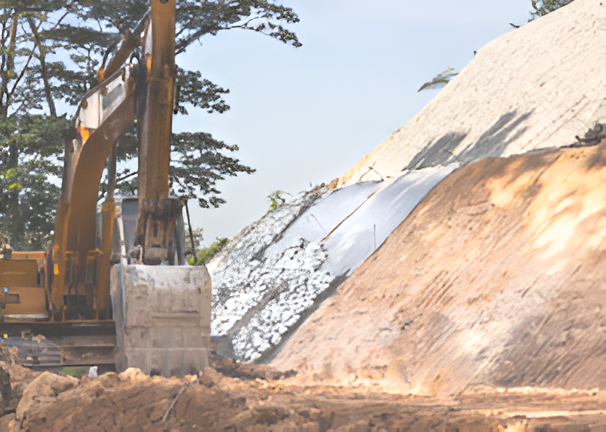
Earth retention becomes necessary when an excavation face, slope, retaining wall, or other soil mass cannot remain stable under the forces acting on it. The system must develop a reliable load path back into stable ground while limiting movement that could affect the work area, nearby structures, utilities, roadways, or finished construction.
Project conditions determine which system makes the most sense. Helical tiebacks can provide active lateral resistance with immediate loading, soil nails can reinforce an existing soil mass, and other earth anchors can resist tension or uplift where the application requires it. Intech supports contractors working with both temporary and permanent retention systems, including applications where access, vibration, spoils, sequencing, or tight schedules influence the installation method.
Anti-Buoyancy
Pipelines, tanks, vaults, and other structures installed in areas with high groundwater can experience uplift when buoyant forces exceed the dead weight resisting them. Helical earth anchors can provide a direct tension-resisting connection that helps hold these structures in position.
Because helical anchors are mechanically installed, contractors can develop capacity without waiting for grout to cure. Anchor size, spacing, depth, helix configuration, and connection details should be selected around the calculated uplift forces and subsurface conditions.
Learn More About Anti-Buoyancy
Guy Anchoring
Guyed structures rely on anchorage capable of resisting the tension created by cables and wind loading. Helical anchors give utility, communication, construction, and infrastructure contractors a mechanically installed option for developing those tension loads in suitable soils.
Installation torque can provide useful field verification as anchors are advanced, while the relatively compact equipment requirements can simplify work in areas where conventional excavation or large anchoring equipment is difficult to use.
Learn More About Guy Anchoring
Mooring
Marine anchoring systems must resist changing tension loads while performing in saturated and submerged environments. Helical anchors can be used for qualifying mooring applications where the system needs to develop capacity within the underlying soil rather than relying on large deadweight anchors.
Final anchor selection depends on vessel loads, soil conditions, water depth, corrosion exposure, environmental requirements, and the connection system. Intech can help contractors coordinate anchor components and installation equipment around the project design.
Permanent Shoring
Permanent retaining walls and shoring systems need lateral support that continues performing after construction is complete. Helical tiebacks, soil nails, and other anchoring systems can transfer those lateral forces beyond the retained soil mass and into a stable zone behind the wall.
These systems can be particularly useful where right-of-way is limited, excavation behind the wall is restricted, or conventional deadman systems would require too much disturbance. Product selection should account for design life, corrosion protection, testing requirements, wall connection details, and long-term load demands.
Learn More About Permanent Shoring
Seawalls & Bulkheads
Seawalls and bulkheads are exposed to lateral soil pressure, changing groundwater, erosion, and water-side loading. When an existing wall begins rotating, bowing, or losing support, tieback anchors can provide a load path from the wall into more stable ground behind it.
Helical tiebacks can also be incorporated into new marine retaining structures. The anchor system, corrosion protection, connections, spacing, and capacity should be developed around the site conditions and the structural demands placed on the wall.
Learn More About Seawalls & Bulkheads
Temporary Shoring
Temporary excavation support has to keep soil stable while allowing the construction sequence to continue efficiently. Helical tiebacks and soil nails can support soldier pile walls, sheet pile systems, shotcrete faces, and other temporary shoring configurations where lateral movement needs to be controlled.
Mechanically installed anchors can reduce drilling spoils and eliminate grout-curing delays in qualifying applications. Soil nails can be installed progressively as excavation advances in lifts, allowing the reinforced soil mass and facing system to develop together.
Learn More About Temporary Shoring
Benefits of Tiebacks, Soil Nails, and Earth Anchors
Earth retention systems work best when the reinforcement method matches both the design loads and the way the project will actually be built. Tiebacks, soil nails, and earth anchors each solve different retention problems, but all can help contractors control movement while reducing dependence on large gravity structures or extensive excavation.
Key advantages can include:
- Controlled lateral resistance: Transfer earth pressure and structural loads into stable ground behind the retained zone.
- Reduced excavation: Limit the amount of soil that must be removed compared with some conventional retaining solutions.
- Restricted-access installation: Use compact drilling or hydraulic equipment where larger construction equipment cannot operate efficiently.
- Low-vibration options: Reduce disturbance around adjacent structures, utilities, roadways, and occupied properties.
- Temporary or permanent use: Configure earth retention systems around construction-only support or long-term structural requirements.
- Adaptable installation lengths: Extend anchors or soil nails as subsurface conditions require.
- Measurable installation criteria: Helical anchor torque and other field data can help document whether specified installation requirements have been achieved.
- Faster construction sequencing: Mechanically installed helical tiebacks can accept load without waiting for grout curing in qualifying applications.
- Integration with multiple wall systems: Coordinate anchors with soldier piles, sheet piles, shotcrete, retaining walls, seawalls, and other facing systems.
For contractors, those benefits translate into a retention system that can be selected around both engineering performance and constructability rather than treating those as separate decisions.
Earth Retention System Process
A reliable earth retention plan starts before materials arrive on site. Loads, wall configuration, soil conditions, groundwater, equipment access, installation sequence, testing, and connection details all influence which system should be used.
Intech supports project teams through the following planning steps:
- Site and application review: Evaluate the excavation, slope, retaining structure, or anchoring application along with the known project constraints.
- System selection and layout planning: Coordinate tiebacks, soil nails, helical anchors, or other retention products around design loads and installation requirements.
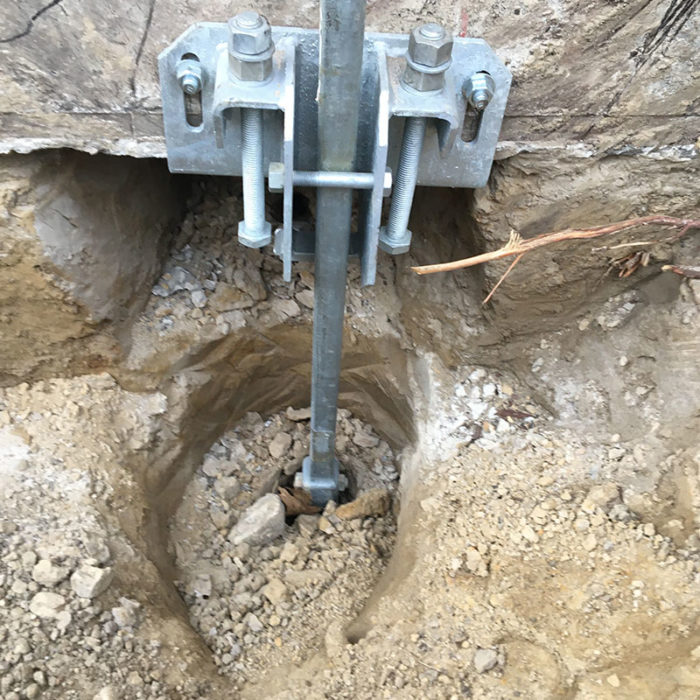
- Facing and connection coordination: Match plates, anchor heads, brackets, walers, and related components to the wall or facing system.
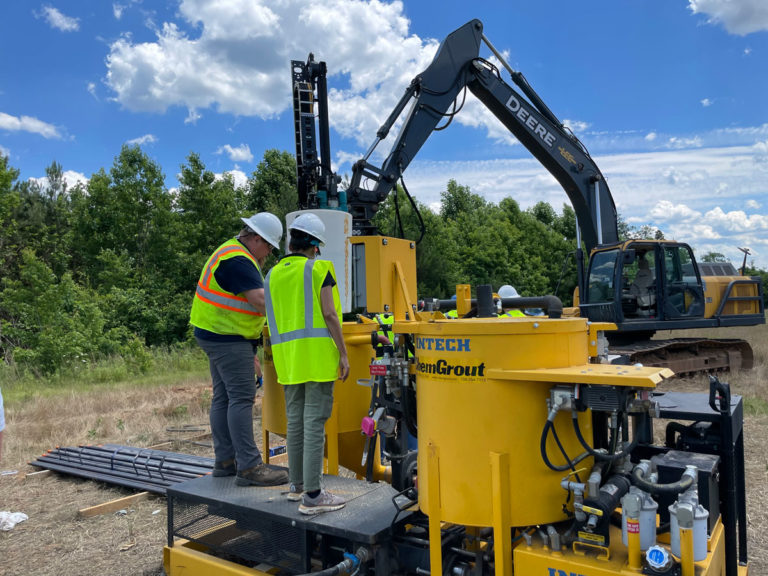
- Equipment and access planning: Identify torque motors, drilling equipment, grout equipment, tooling, and access requirements before crews mobilize.
- Material quantity review: Estimate anchors, bar lengths, couplings, plates, extensions, and related components to support more accurate purchasing and budgeting.
- Installation sequencing: Plan work around excavation lifts, shoring stages, wall construction, and other trades so the retention system can be installed efficiently.
- Testing and verification planning: Coordinate proof testing, performance testing, torque documentation, or other project-specific verification requirements.
- Closeout documentation: Support collection of installation information such as depths, lengths, torque values, test results, and anchor locations.
This process helps reduce field improvisation and gives contractors a clearer material and equipment plan before installation begins.
FAQs About Earth Retention
What is an earth retention system used for?
Earth retention systems stabilize soil when excavation, grade changes, slopes, or retaining structures create lateral forces that the soil or wall cannot safely resist alone. They are used to limit movement, support construction, and transfer loads into stable ground.
How do tiebacks and soil nails resist soil movement differently?
Tiebacks are generally active anchors that are tensioned against a wall or shoring system to resist lateral loads. Soil nails reinforce the soil mass itself and typically develop resistance as the retained ground deforms. The project geometry, loads, soil conditions, wall system, and construction sequence help determine which approach fits.
When are helical tiebacks preferred over grouted anchors?
Helical tiebacks can be advantageous where installation speed, immediate loading, reduced spoils, limited access, or avoidance of grout curing is important. Grouted anchors may be preferable in other soil conditions or load ranges. Engineering requirements and subsurface conditions should drive the selection.
Do soil nails work where headroom or access is limited?
Yes. Hollow-bar soil nail systems can be especially useful where limited headroom, difficult drilling conditions, or constrained access make conventional drilling and reinforcement placement more complicated. Bar sections can be extended with couplings as installation progresses.
Can the same earth retention system be used for temporary and permanent work?
Sometimes, but permanent systems generally require additional consideration for design life, corrosion protection, durability, drainage, and long-term loading. Temporary and permanent retention should be specified separately based on the project requirements.
Why Contractors and Engineers Source Earth Retention From Intech
Earth retention work becomes more complicated when anchors, equipment, connections, technical support, and material quantities come from separate sources. Since 1998, Intech Anchoring Systems has helped contractors and engineers coordinate those pieces before they become jobsite problems.
Our earth retention support includes:
- Tiebacks and earth anchors: Helical and other anchoring components for lateral and tension-load applications.
- Soil nail systems: Hollow-bar and threaded solutions for slope stabilization, excavation support, and retaining structures.
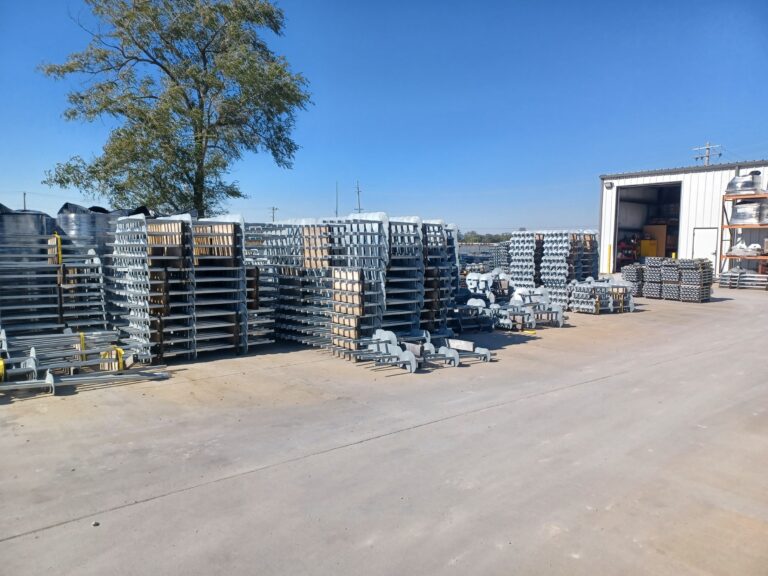
- Extensive product inventory: Access to anchors, bars, couplings, plates, extensions, tooling, and related components.
- Equipment rental or purchase: Installation equipment available around the contractor’s project needs and capital plan.
- Technical project support: Assistance with product selection, equipment requirements, installation planning, and system coordination.
- Accurate budgeting and cost evaluation: Review likely material quantities and equipment needs before procurement.
- Training and field support: Practical resources that help installation crews work with the selected system correctly.
- Trusted industry reputation: More than two decades supporting geotechnical, foundation, anchoring, and earth retention contractors.
The goal is to help your team arrive on site with a coordinated system rather than discover missing materials, incompatible tooling, or equipment gaps after installation starts.
Request Earth Retention Support Today
Earth retention systems perform as a complete load path. The anchor or soil nail, wall connection, installation equipment, facing, testing requirements, and construction sequence all have to work together for the system to deliver the intended performance.
Intech Anchoring Systems supplies tiebacks, earth anchors, soil nails, related hardware, and installation equipment for temporary shoring, permanent retaining structures, slopes, marine work, anti-buoyancy applications, and other earth retention projects.
Call (888) 458-8904 or contact Intech Anchoring Systems to discuss earth retention products, equipment, quantities, and technical support for your next project.